Using Your Alabama Zone When Buying Shrubs and Perennials
A plant tag’s hardiness zone can help you avoid buying a shrub or perennial that is unlikely to survive winter, but it cannot tell you whether that plant will suit your yard. Alabama’s zone map is a useful first filter, not a complete buying plan. Use it alongside your site’s sun, soil, drainage, exposure, and the plant’s mature size to make a more reliable choice.
What a hardiness zone tells you
The USDA Plant Hardiness Zone Map is designed to show how cold an area typically gets in winter. For a gardener choosing a shrub or perennial, its main job is to help screen for plants that can withstand local winter conditions. A plant described as hardy for a colder area may be able to tolerate colder winters than a plant listed only for warmer areas.
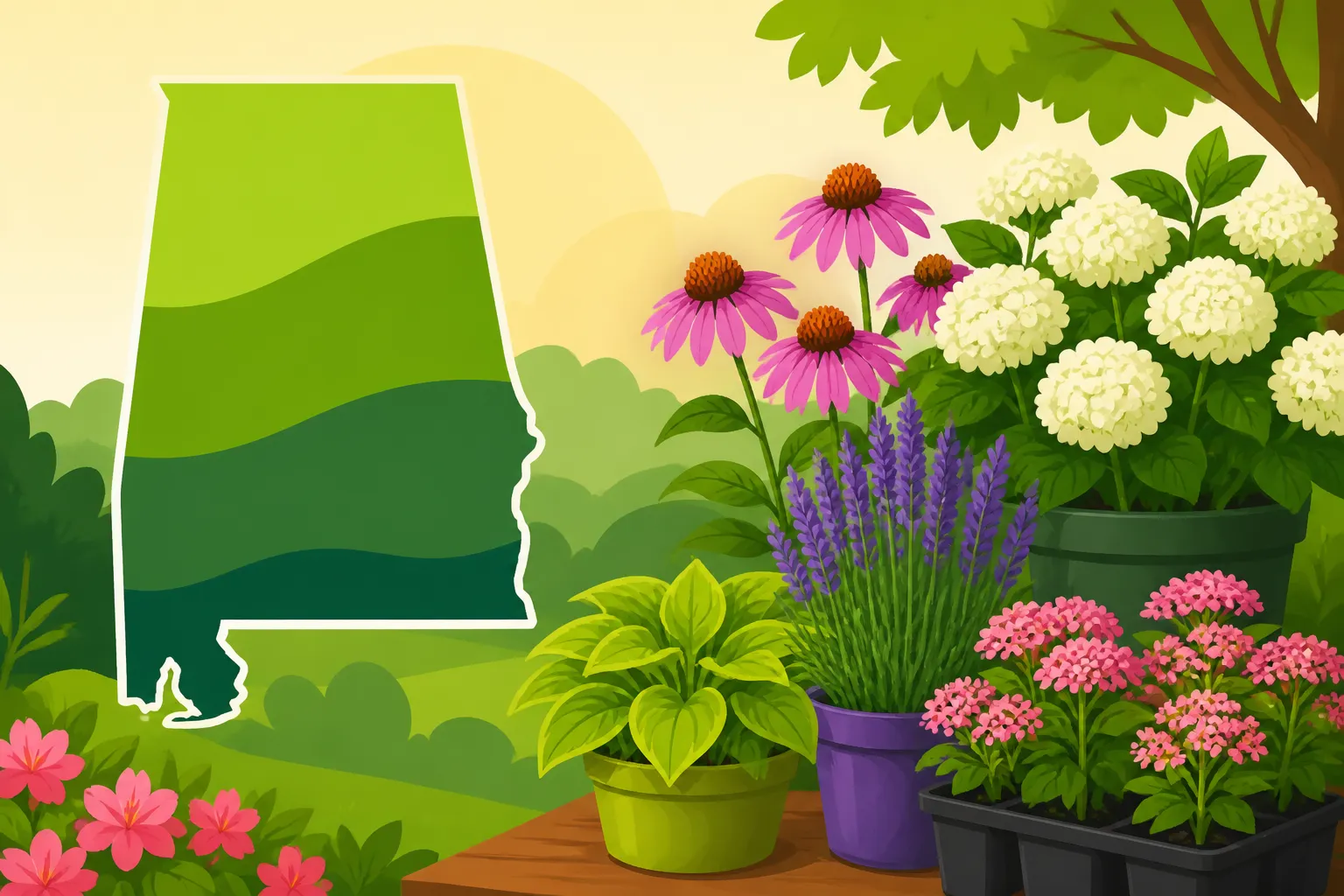
According to the Alabama Cooperative Extension System, the 2023 USDA Plant Hardiness Zone Map for Alabama is the most recent version based on data from 1991–2020. Use the current map when comparing a plant label with your location; don’t assume a map from an older edition gives the same result. For help locating the zone associated with your area, see Checking Your Alabama Plant Hardiness Zone by ZIP Code Map.
A zone is not a guarantee that a plant will thrive, or even that it will survive every winter. It is a general guide based on winter cold, not a full description of your garden. Two yards that fall in the same zone can still differ in wind exposure, elevation, shade, soil moisture, and how quickly cold settles in. A spot against a sheltered wall may be less exposed than an open bed, while a low area where cold air collects can be more vulnerable.
The map also does not tell you how a plant handles summer heat, drought, wet soil, intense sun, or pests. Those factors matter in Alabama, where winter suitability is only part of the decision. A shrub might be cold-hardy enough for your area but struggle in a waterlogged planting spot. A perennial might survive winter yet fail to flower well in deep shade.
That is why a zone is best treated as a screening tool:
- Use it to rule out plants that are not rated for the winter cold your area may experience.
- Compare a plant’s hardiness information with the zone shown for your area.
- Then check whether its light, soil, water, and space requirements match your intended site.
- Read the full plant tag or nursery description rather than relying on a single zone range.
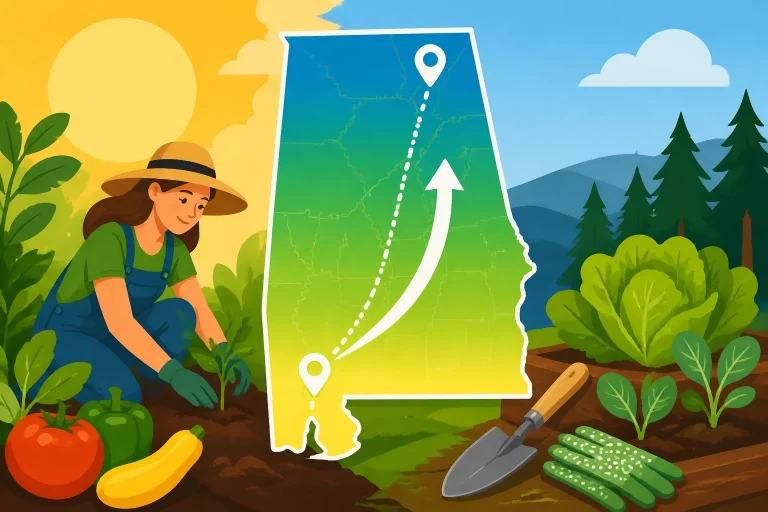
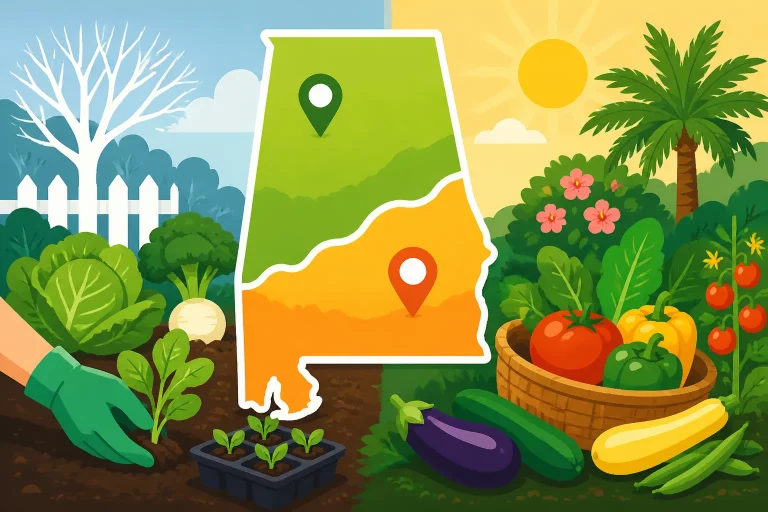
When a tag lists a range of zones, make sure the zone associated with your area falls within the plant’s stated hardiness range. If the tag is unclear or uses a different map edition, ask the seller what reference it uses and check the plant’s specific description. For a wider view of regional differences, How Alabama Hardiness Zones Shift from Tennessee Valley to the Coast explains why the state cannot be treated as one uniform planting area.
Use the zone as a first filter, not the whole decision
Before shopping, start with the spot where the plant will grow. A zone match is useful only if the plant can also manage the conditions in that location. Note the amount of direct sun, whether the soil stays wet after rain, how much wind reaches the bed, and whether nearby trees compete for moisture and light.
A short site description can make shopping much more focused. For example: “morning sun, afternoon shade, soil stays damp,” or “full sun, dry slope, little shelter from wind.” The description does not need to be technical. It simply gives you a way to compare the site with the plant’s needs instead of choosing by flower color alone.
Use a simple comparison like this when reading tags or browsing a nursery catalog:
| What to check | What the label or description can tell you | What to consider in your yard |
|---|---|---|
| Hardiness | Whether the plant is rated for winter conditions in your area | Compare the listed range with your map zone, then consider exposure |
| Light | Whether the plant needs sun, partial shade, or shade | Watch the intended spot through the day; nearby trees and buildings affect light |
| Soil and drainage | Whether the plant prefers moist, well-drained, or consistently damp ground | Check if water pools, drains quickly, or leaves the bed dry |
| Mature size | Approximate eventual height and spread | Allow room for the plant without crowding paths, walls, or neighboring plants |
| Water needs | Whether the plant needs regular moisture or tolerates drier conditions once established | Consider how easily you can water the site, especially during dry weather |
| Seasonal interest | When foliage, flowers, or other features are most noticeable | Plan for the appearance of the bed outside the main bloom period |
| Maintenance | Whether pruning, dividing, or other routine care is expected | Decide whether that care fits your time and the site’s access |
If the tag omits important information, do not assume the plant will adapt to whatever conditions your yard offers. Look for a fuller description from a dependable nursery source or ask a knowledgeable seller. If the answers remain uncertain, choose a plant whose growing requirements are clearly stated.
For a deeper look at how sun and soil should shape plant choices, use Matching Alabama Perennials to Your Yard’s Soil and Sunlight. If the bed is in shade, Shade Garden Guide: Hardy Groundcovers and Woodland Ferns can help you think beyond hardiness and focus on plants suited to lower light.
What the zone cannot predict
Hardiness ratings do not promise that a plant will tolerate every winter in the same way. A newly planted specimen may be more vulnerable than an established one, and a plant exposed to wind or abrupt temperature changes may fare differently from one in a protected location. How well a plant settles in also depends on root condition, planting technique, and care after planting.
Nor does a hardiness rating describe how long a plant will look its best. A plant can survive in a location but grow slowly, bloom sparsely, or become stressed if its light and moisture needs are not met. When a label says a plant is suitable for your zone, read that as “winter cold may be within its tolerance,” not “this plant is guaranteed to perform well here.”
Build a shopping plan before you visit the nursery
A little planning reduces impulse purchases and makes it easier to compare similar shrubs and perennials. Start with a purpose for each planting area. You may want a low border along a walkway, a privacy screen, flowers for a sunny bed, or plants that soften the edge of a shaded patio. The purpose helps narrow choices, while the zone helps screen for winter suitability.
Sketch the bed or take a photo of it. Mark the areas that receive sun and shade, note where rainwater collects, and identify anything the plant must avoid, such as a narrow path or a window. If you are replacing an existing shrub, note how much room it occupied and whether it was too large, too messy, or poorly suited to the site. The goal is not to make a perfect garden plan before shopping; it is to bring enough useful information to make a deliberate choice.
Make a plant shortlist
For each spot, list the conditions a plant must handle:
- The hardiness zone associated with your area.
- The amount and timing of sunlight.
- Whether the soil is dry, evenly moist, or poorly drained.
- The room available for mature height and spread.
- Whether the plant should be evergreen, deciduous, flowering, or mainly valued for foliage.
- How much pruning or other ongoing attention you are willing to provide.
Then compare plants against those conditions. If two options both appear suitable, compare their mature size, seasonal interest, and maintenance. A plant that is easy to grow but too large for the bed may not be a better choice than a smaller plant with a more appropriate fit.
If the area is exposed, favor options whose descriptions address wind and sun as well as winter hardiness. If drainage is poor, do not rely on a cold rating to overcome consistently wet soil. Look for a plant described as suited to moist conditions, or improve the planting location if that is practical. For guidance on selecting plants with challenging soil in mind, see Selecting Landscape Trees That Match Your Alabama Yard Goals and Planting Perennial Beds Across Central Alabama Landscapes.
Ask targeted questions
A useful nursery conversation is specific. Instead of asking whether a plant “does well in Alabama,” ask whether its listed hardiness range includes the zone shown for your area, what light it needs, and how it performs in the kind of soil at your site. If the tag uses a zone range without stating which map it follows, ask the seller to clarify.
Other useful questions include:
- How large does this plant usually get when mature?
- Does it need well-drained soil, or can it handle a consistently moist site?
- Is it likely to need pruning to stay within the available space?
- Does it keep its foliage through winter, or die back seasonally?
- Is there a more suitable choice for a windy, shaded, or dry location?
You do not need every answer before buying every plant. But if a missing detail could determine whether the plant fits the site, get clarity before taking it home. A colorful bloom or attractive tag is not a substitute for knowing what the plant needs.
Choosing shrubs with your zone in mind
Shrubs can serve as screens, anchors, borders, or focal points, and they often stay in place for years. That makes it especially important to match winter hardiness with mature size and site conditions. A shrub that is suitable for your zone but planted too close to a walkway or building can become a recurring problem as it grows.
Start by checking the plant’s mature height and spread. Compare those dimensions with the space available, rather than judging by the size of the nursery container. A young shrub can look small enough for a tight spot while eventually needing more room than the bed provides. Crowding can lead to poor air movement, awkward pruning, and competition with nearby plants.
Next, check the shrub’s light and drainage preferences. A label may describe a plant as adaptable, but “adaptable” does not mean it performs equally well in every site. If the planting location has heavy shade, strong afternoon sun, or soil that stays wet, seek a shrub description that specifically supports those conditions. A shrub planted where it receives the wrong light or moisture may become thin, grow unevenly, or need more care.
Think about the whole year, not only the season when you shop. Some shrubs are valued for flowers, others for foliage, structure, or screening. Consider whether the plant’s appearance will suit the yard after its main display. If you are building a screen, compare how much space the mature plants need and whether the bed can support the routine care involved. For a broader look at planting woody plants in Alabama, see Planting Trees and Shrubs in October: Alabama Fall Rooting Season and How to Plant and Care for Young Trees in Alabama.
Be cautious with marginal choices
If a shrub’s stated hardiness range is close to the zone associated with your area, take a closer look before buying. The zone does not tell you exactly how a plant will behave in a particular yard, and a marginal choice may be more vulnerable in an exposed or cold-prone spot. Consider whether the planting location offers shelter, whether the shrub will be easy to protect if needed, and whether you are comfortable accepting the risk.
A plant at the edge of its stated hardiness range may be worth considering when the site is favorable and the plant’s other needs are met. But if losing it would leave a gap in a screen or require a costly replacement, a more reliably hardy option may be a better fit. The trade-off is not simply “possible” versus “impossible”; it is how much risk and extra care you are willing to accept.
If you want a shrub with wildlife value, check that the plant’s needs match your site and that it fits your design. Local or regionally appropriate choices may provide useful habitat, but a plant’s appealing ecological role does not erase the need to check hardiness, mature size, and growing conditions. For ideas centered on native screening plants, see Native Alabama Screening Shrubs That Feed Birds and Pollinators.
Avoid buying by container size alone
A larger nursery plant can give an immediate visual effect, but size in the pot does not tell you whether the plant is well-suited to its destination. Inspect the foliage and overall structure, and look for signs of stress or damage. Check that the plant is identified clearly enough to find its growing requirements. If the tag gives only a broad common name, ask for the botanical or cultivar name so you can verify that you are comparing the right plant.
Container appearance is only part of the decision. A shrub can look healthy on the sales bench and still struggle if it is planted in unsuitable soil or exposed to conditions it cannot tolerate. Before buying, picture the plant at its mature size in the actual bed. If it would crowd nearby plants or block access, choose a different option or revise the layout.
Choosing perennials that will return reliably
Perennials can make a bed feel established and provide recurring seasonal color, but their winter behavior and above-ground appearance vary. Some keep foliage, while others die back and reappear when conditions favor new growth. A plant that disappears during part of the year may be perfectly healthy, but that habit can surprise gardeners who expect continuous foliage.
Check the hardiness information just as you would for a shrub, then look closely at bloom time, foliage, and growth habit. Ask whether the plant spreads, forms a clump, or needs support. A perennial that expands quickly may be useful as groundcover but difficult to keep within a small border. A tall plant may need a place where it will not shade shorter neighbors or lean across a path.
Consider how the perennial will look before and after flowering. Some have attractive foliage beyond bloom; others are grown mainly for a shorter display. A bed with a mix of growth habits and flowering periods can look more intentional than a collection of plants chosen only because each is in bloom at the nursery. Think about where the perennial sits, how it will relate to neighboring plants, and whether you can access it for routine care.
Match plant behavior to the bed
Different perennials suit different jobs. A low-growing plant may edge a border, while an upright plant can add height at the back of a bed. A spreading perennial might cover a broad area, but it can also take over space needed by slower neighbors. Read the description for clues about habit, and allow for that habit when spacing plants.
If the bed is shaded, focus on plants described for shade rather than trying to make a sun-loving perennial cope with too little light. In a sunny, dry location, seek plants suited to those conditions rather than assuming a hardiness rating means a plant can handle heat and drought. The zone is about winter cold; it does not replace a description of the growing conditions a perennial prefers.
For a region-specific starting point, Planting Perennials in North Alabama: Fall and Spring Windows discusses timing for that part of the state. For help considering plant needs across different parts of Alabama, When to Transplant and Establish Garden Perennials in Alabama is another useful companion. The right choice still depends on the site itself, so use regional guidance as context rather than as a guarantee for every yard.
Plan for seasonal gaps
A perennial bed changes over the year. Some plants are most noticeable during bloom, while others contribute foliage or structure when flowers are absent. If you are buying during a nursery’s peak display, remember that a plant’s appearance at that moment may not represent the rest of the season.
Look for a mix of forms and textures that makes sense for the bed. You might combine plants with different heights, foliage shapes, or seasonal roles, while keeping their light and moisture needs compatible. Avoid placing a perennial that needs consistently moist soil beside one that prefers a drier site if the bed will be watered as a single area. Shared conditions make maintenance simpler and reduce the chance that one plant is always receiving too much or too little water.
Perennials may also need dividing, pruning, or cleanup as they grow. These needs vary by plant, so check the specific label or reliable plant description rather than applying one routine to everything. If your preference is a lower-maintenance bed, favor plants whose expected care fits the time and tools available to you. Caring for Alabama Perennials: Pruning, Dividing, and Care can help you think through the maintenance side of the decision.
Account for regional and yard-level differences
Alabama gardeners should not assume that a plant choice made for one part of the state automatically suits another. The map gives a broad guide to winter cold, while local conditions add another layer. A coastal, inland, hillside, shaded, or exposed yard can create different growing conditions even when gardeners consult the same general planting advice.
The practical response is not to abandon zone information. It is to combine it with a close look at the site. A zone map can screen out plants that are poor candidates for local winter conditions; your yard observations help decide whether the remaining choices can handle the place where they will actually grow.
Notice microclimates
A microclimate is a small area whose conditions differ from the surrounding yard. You do not need special equipment to notice useful patterns. Watch where sunlight falls, where puddles remain, and which areas feel more exposed to wind. A sheltered spot near a building may differ from an open bed, and a low spot can behave differently from a raised or sloping area.
Treat shelter as an advantage, not a guarantee. A protected location may reduce exposure, but it does not change the plant’s stated hardiness rating. Likewise, do not assume that a sunny wall or sheltered corner will make every marginal plant safe. If you are considering a plant near the edge of its stated range, the combination of location, plant health, and your willingness to provide extra care matters.
Shade and sun can also change as nearby trees and structures grow or are altered. If you are planting a long-lived shrub, consider whether the light conditions are likely to change. A spot that is sunny today may become more shaded as a tree canopy develops, while a plant sheltered by a temporary feature may become more exposed later.
Treat soil and drainage as separate checks
A plant’s hardiness rating says nothing about whether its roots can tolerate your soil. Water that sits around roots for long periods can create problems for plants that need well-drained conditions. Very dry or compacted ground can also make establishment difficult. Before buying, inspect the planting area after rain and consider whether the soil’s behavior matches the plant description.
If several plants in the same bed have struggled, look for a site issue rather than assuming each plant was simply the wrong variety. Drainage, shade, root competition, and soil condition can all affect performance. For broader advice on preparing a suitable planting area, Handling Heavy Clay, Rocks, and Compaction in Alabama Yards and Guide to Testing Garden and Lawn Soil pH and Routine Nutrients address parts of that groundwork.
Avoid using a single soil amendment or planting technique as a universal fix. The right approach depends on the soil and the plant’s needs. If you are unsure what the bed needs, consult reliable local guidance before making major changes. A plant selected for the right zone still needs a root environment it can live in.
Plant, settle in, and reassess
Choosing the right plant is only the beginning. A good zone match cannot make up for damaged roots, a planting hole that stays wet, or a plant that dries out before it settles in. Handle the plant carefully, follow its specific planting directions, and make sure the final location matches the conditions you checked before purchase.
Before planting, compare the label with the spot again. It is easier to change your plan before a shrub or perennial is in the ground. Confirm that the bed has enough room for mature growth, that the light is appropriate, and that water will not routinely collect around the roots unless the plant is suited to moist conditions.
Give new plants a realistic start
Newly planted roots need time and suitable care to become established. Follow the plant’s instructions and adapt watering to the weather and the site rather than assuming every plant needs the same routine. A container plant in a hot, exposed location may dry differently from a plant in shade or a bed with moisture-retentive soil. Check the soil near the root area and pay attention to the plant’s condition.
Do not use a fixed calendar as a substitute for observation. The plant, soil, drainage, and weather all affect how quickly the root area dries. If leaves wilt, yellow, or show other signs of stress, check the soil and planting conditions before changing care. Symptoms can have several causes, so avoid assuming that every problem means the plant needs more water.
If cold weather is a concern, use plant-specific and locally appropriate guidance rather than expecting a zone label to tell you exactly when or how to protect a plant. A zone rating describes winter hardiness in general; it is not a forecast for the coming season or a schedule for protective measures. For general ideas on cold-weather care for vulnerable plants, see Protecting Landscape Beds from Deer: Native Alabama Plant Options only if deer pressure is the issue; for winter protection specifically, Frost Protection Tips for Alabama’s Mild Winters is the relevant resource.
Learn from the result
Keep a simple record of what you buy and where you plant it. Note the plant name, the site’s light and drainage, and any difficulties during establishment. If a plant does well, that information can guide future choices for similar spots. If it struggles, consider whether the issue was hardiness, soil, light, water, or space before deciding what to replace it with.
One failed plant does not automatically mean its zone rating was wrong. It may have been placed in unsuitable soil, stressed before purchase, or exposed to conditions the label did not address. On the other hand, repeated winter damage can be a reason to choose a more cold-tolerant option for that location. Treat your own observations as useful evidence, while recognizing that conditions can vary from season to season.
A thoughtful buying process should leave room for changing your mind. If you cannot verify a plant’s hardiness range or growing needs, postpone the purchase or choose a clearly described alternative. That is often more useful than bringing home a plant that looks appealing but has an uncertain fit.
Frequently Asked Questions
Does a zone match mean a shrub or perennial will thrive?
No. A zone match helps screen for winter cold tolerance. It does not confirm that the plant suits your yard’s sun, soil, drainage, moisture, wind exposure, or available space.
Should I buy a plant listed for a colder zone than my area?
A plant rated for colder conditions may be able to tolerate colder winters, but that alone does not make it a good choice. Check the plant’s full requirements and mature size, and confirm that it suits your site.
What if the plant tag does not list a hardiness zone?
Look for a fuller description from the seller or another dependable source. Confirm the plant’s identity and ask about winter suitability, light, drainage, and mature size. If key information remains unclear, consider a better-documented option.
Can a sheltered part of my yard make a marginal plant a safer choice?
Shelter may reduce exposure, but it does not guarantee survival or change the plant’s stated hardiness range. Consider the full site and the risk you are willing to accept, especially for a plant that would be difficult to replace.
Should I choose native plants instead of checking hardiness?
Native status can be useful when choosing plants for local conditions and wildlife value, but it does not replace checking the specific plant’s site requirements. Confirm its light, soil, moisture, growth habit, and mature size just as you would for any shrub or perennial.
Disclaimer
This article is for general informational purposes only and does not constitute professional advice. Laws, prices and regulations vary by location and change over time. Consult a qualified professional for guidance on your specific situation. Alabama Gardening Guide is not a government agency and is not affiliated with any university extension, state department of agriculture or other government agency.