October Planting Calendar for Alabama Cool-Season Crops
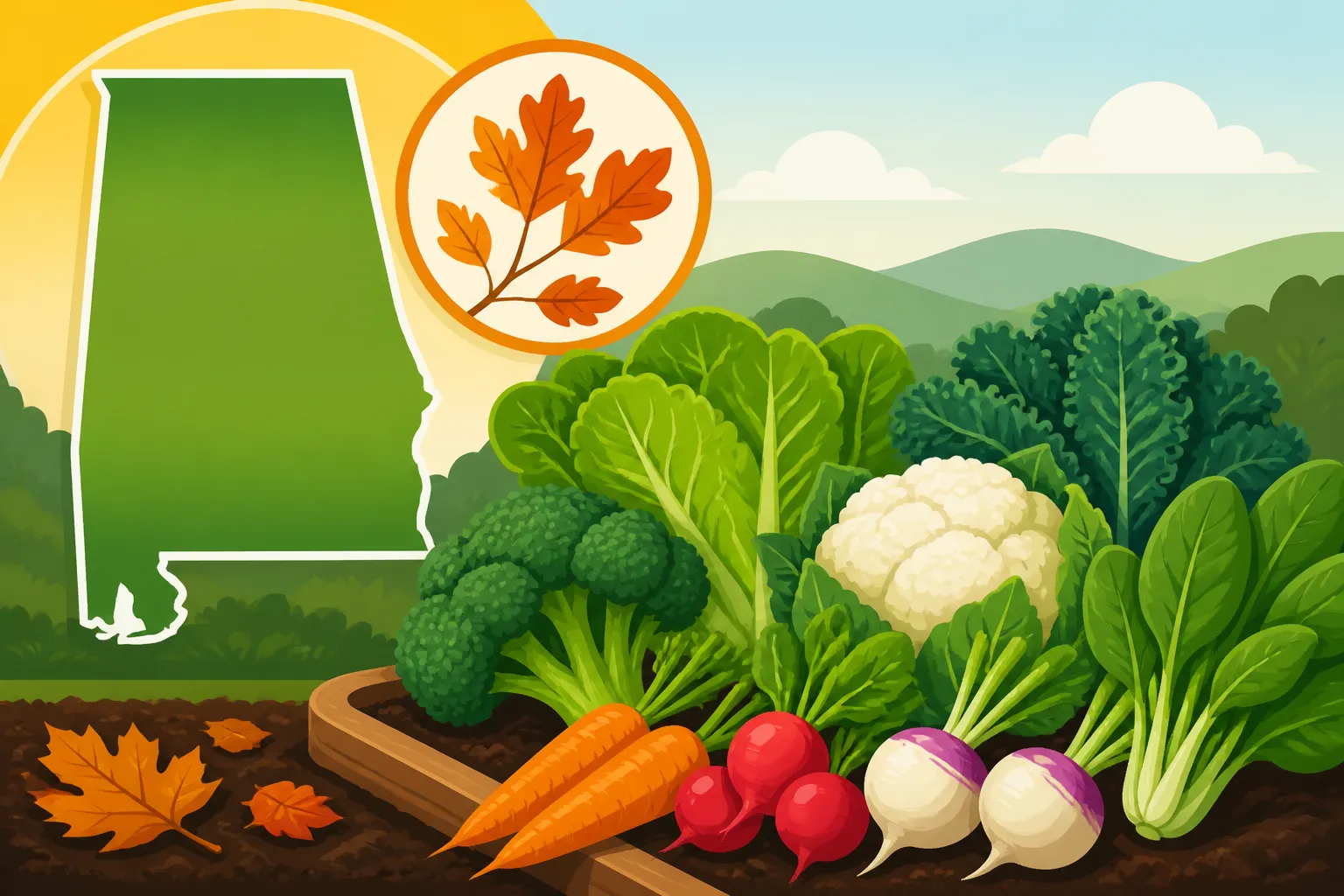
October can be a productive month in Alabama gardens, but what you plant depends on where you live and how much growing time remains before cold weather. The main challenge is choosing crops that can establish in shortening days and cooling soil. Use this calendar to match crops to your region, select direct sowing or transplants, and plan for harvest rather than planting by habit.
How October Changes Across Alabama
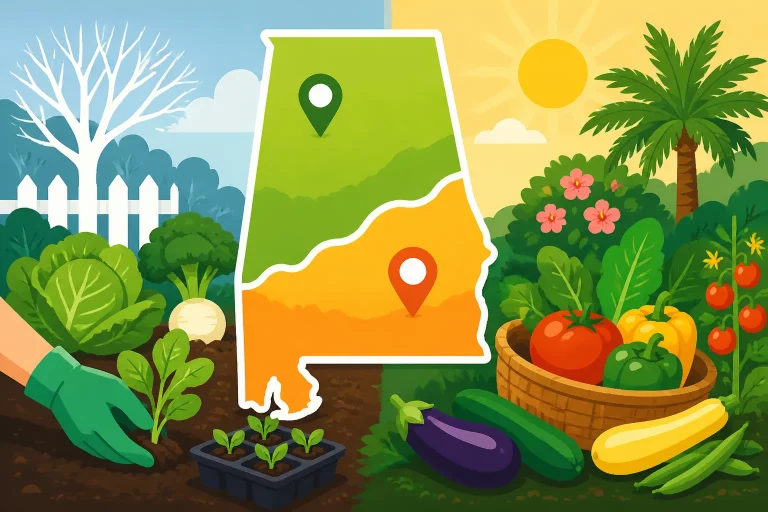
Alabama’s long north-to-south span creates different October gardening conditions. Northern gardens generally cool sooner than gardens in central Alabama, while coastal and far southern areas often hold warmth longer. Elevation, exposure, shade, wind, and the garden’s own layout can shift conditions further. A sheltered bed may stay warmer than an exposed one nearby, but a warm afternoon does not guarantee that a crop has enough time to mature before a cold spell.
October is also a transition month. Early in the month, warm soil can help seeds germinate quickly, but lingering heat may stress tender seedlings. Later, cooler weather can suit greens and root crops, while shorter days slow their growth. The result is a narrowing window: a crop planted early in October may have time to size up, while the same crop planted later may provide young leaves or a partial harvest instead of a full-sized crop.
| Alabama garden location | October planning emphasis | Main timing concern |
|---|---|---|
| North Alabama | Favor quick greens and root crops early; use established transplants where appropriate | Less time for late plantings to mature before hard cold |
| Central Alabama | Combine early-month sowing with carefully chosen transplants and repeat sowings | Warm spells can delay cool-season seed germination |
| South and coastal Alabama | Continue sowing and setting out suitable cool-season crops as conditions allow | Heat can linger, and seeds may need consistent moisture to establish |
This table is a planning framework, not a guarantee of a particular harvest date. Local conditions vary from year to year, and a weather station’s frost information is a probability rather than a fixed appointment. For a more precise estimate, compare your garden with the nearest relevant station in Alabama First Frost Dates: Estimating Fall Harvest by Weather Station and Fall Freeze Timing: North Alabama Versus South Alabama Stations. Keep in mind that a garden’s microclimate can differ from the station’s.
Before choosing crops, identify the goal for each bed:
- A full harvest before freezing weather: Give preference to quick crops and plants that already have a head start.
- Repeated leaf harvests: Sow leafy greens in manageable batches, and harvest young if growth slows.
- A winter garden: Choose crops that can become established while temperatures and daylight still support growth.
- A late-season experiment: Plant a small area and accept that results may depend on weather.
Use How Planting Dates Change Across Alabama’s Regions as a broader reference when deciding how far to shift a general schedule for your part of the state.
Best Crops to Plant in October
October planting is most reliable when crops match the time and conditions available. Some vegetables are grown for leaves that can be picked gradually; others need a longer uninterrupted period to form roots or heads. A crop’s listed days to maturity are a planning aid, not a promise. The actual pace depends on temperature, light, moisture, soil condition, and whether the count begins at sowing or transplanting.
Quick greens for repeated picking
Leaf lettuce, mustard, turnip greens, and some other leafy crops can be useful October choices, especially when you are willing to harvest leaves young. Spinach can also be considered, though it may be slow to establish when conditions are warm and may grow slowly as days shorten.
For a steady supply, sow a small amount at a time instead of filling the entire bed in one planting. A batch that germinates unevenly or gets checked by heat will then be less of a setback. If the first sowing does well, repeat while conditions remain suitable for the crop and your region.
The aim in October is often practical rather than perfect: healthy leaves for the kitchen, not necessarily a large, uniform stand. Read Cool-Season Vegetable Timing: When to Plant Lettuce in Alabama for lettuce-specific timing and When to Sow Peas, Radishes, and Spinach for Alabama Harvests for more detail on quick crops and spinach.
Collards and kale
Collards and kale are useful choices where plants can establish in time for the kind of harvest you want. Seedlings from a nursery or an earlier sowing have an advantage over seeds planted late in the month because they begin October with roots and leaves already formed. If you are planting from seed, consider whether there is enough time for sturdy plants to develop before cold weather slows growth.
These crops can be harvested leaf by leaf, which gives a late planting more opportunity than a crop that must form a large head before picking. Still, plants need enough time to establish. Small seedlings set into a bed that is dry, compacted, or crowded may struggle even if the season is otherwise favorable.
See Planting Collards, Kale, and Mustard: Alabama Spring and Fall Dates and Recommended Collard Varieties for Alabama Home Gardens for crop-specific guidance.
Turnips and radishes
Turnips can provide both greens and roots, but those are different harvest goals. If you want roots, sow early enough for them to size up and keep soil moisture steady while they form. If the season is getting short, the leaves may be the more dependable crop. Radishes are generally faster than many other root vegetables, making them a practical option for an October sowing when local conditions allow.
Avoid planting either crop in soil that has dried into a crust. Small seeds need contact with moist soil to germinate, and a dry surface can interrupt emergence. If heavy rain forms a crust, seedlings may have difficulty pushing through. Keep the bed evenly moist during germination, without leaving it waterlogged.
For more on depth and seed placement, see How Deep to Plant Turnip, Carrot, and Bean Seeds.
Carrots and beets
Carrots and beets need a longer planning horizon than quick greens. They are worth considering when the timing, soil, and available growing period are favorable, but a late sowing may yield smaller roots. October carrot sowing is especially dependent on careful seedbed preparation: a loose, even surface helps small seeds make good contact with soil and emerge more uniformly.
Beets can provide both roots and leaves. As with turnips, decide which harvest matters most. If roots are the priority, give them the space and time to develop. If the weather or calendar is limiting, young beet leaves can still be useful, but repeated cutting can affect root development.
For crop-specific considerations, read Sowing Fall Carrots in Late Summer for Sweet Winter Roots and Sowing Beets, Carrots, and Turnips on Spring and Fall Schedules.
Broccoli, cabbage, and cauliflower
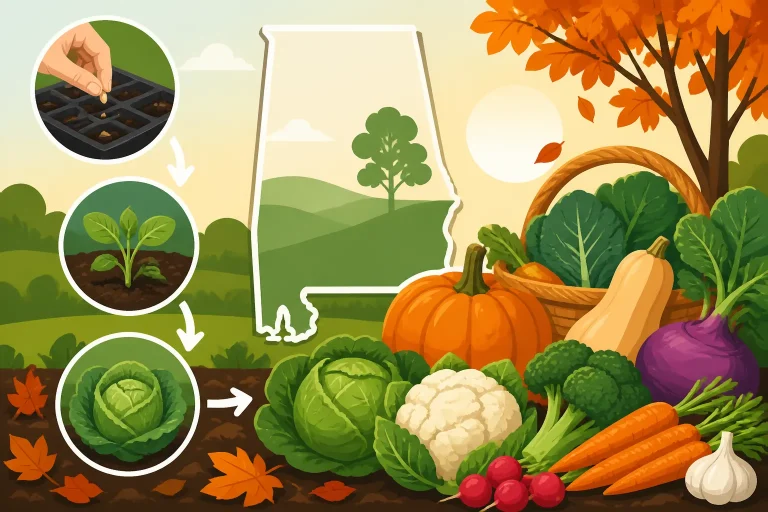
October is usually a better month for setting out established transplants than starting slow, head-forming brassicas from seed outdoors. Whether a transplant can produce a full head depends on its size, condition, local weather, and the time left for growth. A healthy young plant has a better chance than a weak or root-bound one, but planting a transplant is not a guarantee of a full harvest.
If you are planting these crops late, be realistic about the likely outcome. You may get leaves or a smaller head rather than the large, uniform heads expected from an earlier planting. Choose plants that are compact and healthy, and avoid transplanting into dry soil or during extreme heat. Water them in carefully and keep the bed evenly moist as roots settle.
Use When to Plant Broccoli, Cabbage, and Cauliflower Across Alabama and Setting Out Fall Cabbage Transplants for Heading Before Frost to judge whether these crops fit your local schedule.
Garlic and onions
Garlic is a distinct October crop because it is planted for establishment over the cool season and later harvest, rather than for a quick fall crop. October is a common fall planting period for garlic in Alabama, though timing and planting approach vary by region. Select healthy planting stock and prepare a bed with soil that drains well. Cloves in persistently wet soil are more vulnerable to problems than those in a suitable, well-drained site.
Green onions may also fit into a cool-season bed, especially when planted from sets or established starts. They are generally a more flexible choice for a late planting than bulbing onions, which need conditions suited to their growth cycle and enough time to develop.
See Planting Garlic in the Fall Across North and South Alabama Beds and Starting From Onion Sets or Seeds: What Alabama Growers Choose for further planning.
A Practical October Planting Calendar
A useful October calendar is built around regional conditions and crop maturity, not a single statewide date. Use these steps to decide what belongs in the ground now.
- Check what is already growing. A bed with healthy seedlings or established transplants is not in the same position as an empty bed. Existing plants have already used some of the available growing time.
- Choose the harvest you want. Decide whether you need full-size roots or heads, or whether young greens and leaves will be enough.
- Compare maturity information. Read the seed packet or plant tag carefully. Note whether maturity is counted from sowing or transplanting, and treat the number as an estimate under suitable conditions.
- Count backward from local cold risk. Use a reasonable local frost or freeze estimate, then leave room for slower growth in short days and cool weather. Counting Back from First Frost: Timing Fall Vegetables by Maturity explains how to use maturity information without treating a frost estimate as an exact deadline.
- Adjust for your part of Alabama. Shift the plan according to your area and garden conditions, not just a statewide calendar. North Alabama gardeners may need to be more selective with late plantings; southern gardeners may have a longer period of warmth, but warm soil can also make some seeds slow to germinate.
- Plant a test-sized batch when uncertain. A small sowing lets you see how the bed responds without committing the space needed for a more dependable crop.
- Record what happens. Note sowing dates, emergence, weather, and harvest. These observations will help refine next year’s plan.
A simple month-level framework can help organize the work:
| October period | Possible focus | How to make the choice |
|---|---|---|
| Early October | Sow quick greens and radishes; establish suitable transplants; prepare garlic beds | Favor crops with enough time to grow to your intended harvest size |
| Mid-October | Continue small sowings of suitable greens and root crops; water new plantings as needed | Check actual plant growth and forecast conditions rather than relying only on the calendar |
| Late October | Prioritize established plants, quick crops, and leaf harvests; protect vulnerable young plants when cold threatens | Be cautious with crops that need substantial time to form large roots or heads |
The period labels are deliberately broad. A warm October can extend planting opportunities in one garden, while a cold spell or shaded site can narrow them in another. The most useful question is not simply “Is it October?” but “Can this crop establish and reach the harvest I want under the conditions still available?”
Direct-Sow Seeds or Set Out Transplants?
The right starting method depends on the crop and the time remaining. Direct sowing is simple and avoids transplant shock, but seeds need suitable soil conditions and enough time to emerge and grow. Transplants begin with a head start, but they need careful handling and consistent moisture while roots settle into the garden.
| Starting method | Best fit | Advantages | Trade-offs |
|---|---|---|---|
| Direct sowing | Quick greens, radishes, and some root crops | Avoids transplant shock; allows plants to grow in place | Emergence can be uneven; seedlings are exposed to weather from the start |
| Transplanting | Crops commonly raised as starts, including brassicas | Plants begin with established leaves and roots; useful when the calendar is tight | Starts may be stressed, root-bound, or poorly acclimated |
| Planting sets or cloves | Garlic and some onions | Provides a head start compared with sowing tiny seeds | Stock quality and drainage matter; planting depth and spacing should follow reliable crop guidance |
Direct sowing tips
Prepare a fine, level seedbed before planting. Large clods, compacted soil, and plant debris can leave tiny seeds sitting too high or buried unevenly. Follow the seed packet for spacing and depth; seed size and crop type make a meaningful difference.
Water gently after sowing so the seed does not wash into a heap or become exposed. Check the bed regularly while seeds are germinating. October weather can include dry periods as well as rain, and newly sown seed can fail if the top layer dries before seedlings establish. Once seedlings emerge, thin them according to the crop’s needs. Overcrowding can leave plants weak, even when the bed appears full.
For small seeds, it can help to mark rows clearly so emerging seedlings are easier to distinguish from weeds. Keep weeds small and remove them before they compete for water and light. If seedlings emerge in patches, assess whether the missing areas need reseeding or whether the remaining plants can fill the space. A late reseeding is only useful if the crop still has time to reach the intended harvest.
Transplanting tips
Choose healthy starts with compact growth and no obvious signs of damage or stress. Before planting, make sure the garden soil is ready and moist, not saturated. Handle seedlings by their leaves or root ball rather than crushing the stem. Set them at the appropriate depth for the crop, firm soil gently around the roots, and water to settle the bed.
A transplant that wilts briefly after planting may be adjusting, but continuing wilt can point to dry soil, damaged roots, heat stress, or other problems. Check moisture at root level rather than judging only by the soil surface. If the bed is exposed to harsh afternoon sun or wind, temporary protection may help a new transplant settle, provided that covering does not trap excessive heat.
Do not assume that a large transplant will always outperform a smaller one. Overgrown or root-bound starts can take longer to recover, and a plant that has been poorly watered before planting may struggle. The best choice is a vigorous, well-rooted start that is suited to the crop and handled with care.
For broader decisions about choosing seed or starts, see Which Vegetables to Direct-Sow and Which to Transplant in Alabama and Starting an Alabama Vegetable Garden: Seeds, Transplants, or Beds.
Preparing Beds and Managing October Conditions
Good timing cannot make up for an unsuitable seedbed. A little preparation before planting reduces the risk of poor germination and weak establishment.
Clear, loosen, and assess the bed
Remove spent plants and weeds, especially those that could host pests or diseases. If a previous crop had a serious problem, do not immediately put a closely related crop in the same spot without considering rotation. Turnips, collards, kale, broccoli, cabbage, and cauliflower are all brassicas, so rotating among them does not provide the same change as moving to an unrelated crop family.
Loosen the soil enough to create a workable seedbed, but avoid working very wet soil. Wet soil can compact when handled and may be slow to recover. If the bed drains poorly, address the drainage problem before sowing rather than assuming that more frequent watering or a light mulch will fix it. Improving Drainage in a Soggy Alabama Garden Bed covers options for persistently wet beds.
If you are unsure whether the soil needs amendment, avoid adding materials by guesswork. Soil conditions differ from bed to bed, and an amendment that helps one site may not be appropriate for another. For general help interpreting garden soil needs, see Guide to Testing Garden and Lawn Soil pH and Routine Nutrients.
Manage moisture during germination
Seedlings need a consistently moist seed zone, particularly while roots are shallow. That does not mean keeping the entire bed saturated. Overwatering can create low-oxygen soil conditions and can encourage seed or root problems. Check the actual soil rather than watering on a rigid schedule.
Water gently enough to avoid exposing seed or washing it out of rows. In warm, breezy weather, the surface can dry quickly even when deeper soil still feels moist. In cooler or rainy weather, the bed may need less water. Adjust based on what the seed zone is doing.
Once plants are established, water more deeply as needed so roots can develop beyond the surface layer. The precise need depends on soil texture, rainfall, container or bed location, and plant stage. For seedlings, see How Often to Water Emerging Garden Seedlings in Alabama Heat.
Use mulch selectively
A light layer of suitable mulch can reduce soil splash and help conserve moisture around established plants. But mulch placed too thickly over newly sown rows can make emergence harder, and mulch piled against young stems can hold excess moisture. Keep seed rows visible and follow crop needs rather than covering every bed in the same way.
In October, soil may still be warm in parts of Alabama. Mulching heavily before crops have established can slow warming or make it harder to monitor the seedbed. Wait until seedlings are up and growing before deciding whether mulch would help. For general vegetable-bed advice, see Mulching Alabama Vegetable Gardens to Block Weeds and Cool Soil.
Watch for heat and cold swings
October can bring warm afternoons, cool nights, rain, and sudden temperature changes. Seedlings may suffer if a bed swings between dry and wet conditions. Newly planted starts are also more vulnerable than established plants because their roots have not spread into the surrounding soil.
A cold-weather cover may help protect some plants when a frost threatens, but covers need to be appropriate for the situation. They are not a substitute for selecting crops and planting times that fit your region. A cover can trap heat during a sunny day, so check conditions and manage it accordingly. For guidance on responding to a forecast, see Covering Tender Garden Plants During an Alabama Frost Advisory and Protecting Fall Crops From the First Alabama Freeze.
Matching Crops to Harvest Goals and Cold Risk
One of the most common October planning errors is planting a crop without deciding what counts as success. A fully sized cabbage head, a handful of young leaves, and a row of small turnip roots are different outcomes, with different time needs.
Choose maturity stage before seed packet
Before sowing, write down the harvest you want and check the packet’s maturity information. If the packet counts days from transplanting, do not apply that number to a seed sown directly outdoors. If conditions are cooler, days are shorter, or plants are stressed, actual growth may be slower than the estimate.
Build in some margin. A crop that appears to fit perfectly between planting and a projected frost may not have enough time if germination is delayed or a cold spell slows growth. It is safer to choose a crop that can be picked young than to expect a late-planted, full-sized crop to meet a tight deadline.
Decide whether frost is a problem or part of the plan
Not every cool-season crop responds to cold in the same way. Tender seedlings can be more vulnerable than established plants, and a light frost is different from a hard freeze. Frost dates are probabilities, and a date in a calendar does not say what will happen in a specific garden that year.
Plan around the risk rather than a single date. Keep track of local forecasts, know which plants are most vulnerable, and decide ahead of time what you will harvest or cover if temperatures are expected to drop. When Does the First Fall Freeze Usually Hit Alabama? and How Light Frost Advisories Differ From Hard Ground Freezes can help explain the difference between general seasonal estimates and a particular cold event.
Plan for more than one harvest
Leafy crops are often more forgiving when planted in batches. You can harvest some plants young, leave others to grow, and make a final picking before severe cold if necessary. This approach works better than sowing a very large area at once, especially when the garden’s conditions are uncertain.
For roots, staggered sowing can spread harvests, but only if later sowings still have time to produce usable roots. Keep the batches small enough that you can care for them well. If the first planting is still growing strongly, there may be no need to add another full row.
Keep a realistic late-season plan
If an October sowing is late for a full harvest, it may still be worthwhile for young leaves or as a trial. Keep the planting small and do not let it displace crops that are already established and likely to produce. For gardeners who want to protect existing plants, What to Pick Before an Alabama Freeze: Protecting Tender Vegetables offers a useful harvest-planning perspective.
A garden does not have to produce every crop at its maximum size to be useful. A few bowls of greens, a modest picking of radishes, or established plants that carry through cooler weather can all be worthwhile outcomes. The important part is aligning the crop, planting method, and expected harvest with the time remaining.
Common October Planting Mistakes
Planting by the statewide calendar alone
A statewide schedule cannot account for the difference between a shaded northern garden and a sunny garden near the coast. Use regional timing as a starting point, then adjust for your conditions. A nearby garden or weather station may be a better comparison than a general calendar.
Starting slow crops too late
Some crops need substantial time to build leaves, roots, or heads. A seed packet’s maturity estimate can help, but it does not remove the effect of cooler weather and shorter days. If the crop is already late for your region, choose a smaller harvest goal or use established starts when suitable.
Sowing during unsuitable soil conditions
Seeds can fail in beds that are crusted, compacted, too dry, or saturated. Prepare the surface, check moisture, and follow crop-specific depth guidance. Repeated watering cannot make a poorly prepared seedbed reliable.
Watering on a fixed schedule
October weather changes quickly. A bed that needs water during a dry warm spell may stay moist after rainfall or during a cooler period. Check the soil and adjust. Too little water can stop germination, while saturated soil can stress roots.
Crowding seedlings
A thick carpet of seedlings may look promising, but crowding reduces air movement and competition for light, water, and nutrients becomes intense. Thin plants as directed for the crop. Use the thinnings as greens when appropriate, rather than leaving every seedling in place.
Assuming a cover makes late planting safe
Covers can reduce exposure to certain cold conditions, but they do not guarantee a harvest or make every crop suitable for late planting. A cover also needs to be secured and monitored. Combine protection with realistic crop selection and local weather awareness.
Ignoring crop rotation
Planting brassicas in a bed that recently held other brassicas may leave the same crop group exposed to recurring soil or pest problems. Rotate crop families when practical, remove spent plants, and keep notes about where each group grew. Rotating Crop Families Yearly to Prevent Soil Disease Buildup explains why rotation matters beyond simply changing the vegetable name.
A Simple October Plan by Garden Situation
Use the following examples as starting points, not fixed prescriptions.
- An empty bed in North Alabama: Focus on quick greens or radishes that can be harvested young, and use suitable established transplants rather than starting slow head-forming crops late. Check local cold risk and maturity information before committing space.
- An established central Alabama garden: Continue small sowings of greens where conditions are favorable. Keep existing collards, kale, or brassica transplants growing steadily, and plant garlic in a prepared, well-drained bed.
- A warm southern or coastal garden: Watch for lingering heat that can delay or stress cool-season seedlings. Keep seedbeds moist during germination, use small batches, and avoid assuming that warmth alone guarantees fast growth.
- A garden with little time for maintenance: Choose a few established plants and crops that can be harvested gradually. A smaller planting that gets regular attention is more dependable than many rows that are difficult to water, weed, and protect.
- A gardener with limited space: Use one bed for a mix of greens and quick crops, but leave enough spacing for airflow and access. Avoid mixing crops with very different harvest timelines if one will shade or crowd another.
- A gardener who wants a winter harvest: Prioritize crops with enough time to establish before cold weather slows growth. Protect plants as conditions warrant, but do not rely on protection as the only part of the plan.
At the end of the month, review what emerged and what is growing. Remove failed plantings rather than letting empty, weedy areas compete with healthy crops. Keep a record of what was sown, what was transplanted, and which crops were harvested young. Those notes are often more useful for next October than a generic date list.
Frequently Asked Questions
What vegetables can I plant in Alabama in October?
Depending on your region and the time remaining, possible choices include leafy greens, radishes, turnips, carrots, beets, garlic, and suitable brassica transplants. Match each crop to your local conditions and the harvest size you want.
Is October too late to plant collards or kale?
Not necessarily, but a seed planted late may not grow as large as an earlier planting. Established starts have a head start, and leaf-by-leaf harvest can be more realistic than expecting a large plant quickly.
Should I direct-sow or transplant fall vegetables?
Direct-sow quick crops and root vegetables when the seedbed and timing suit them. Transplants can help with crops that need a longer start, but healthy plants and careful establishment matter. Follow crop-specific instructions for depth, spacing, and handling.
Can I use one October planting date for all of Alabama?
No. North, central, southern, and coastal gardens can have different October conditions, and microclimates add more variation. Use regional guidance, local weather information, and your garden’s actual conditions rather than relying on one statewide date.
Disclaimer
This article is for general informational purposes only and does not constitute professional advice. Laws, prices and regulations vary by location and change over time. Consult a qualified professional for guidance on your specific situation. Alabama Gardening Guide is not a government agency and is not affiliated with any university extension, state department of agriculture or other government agency.